
Overview
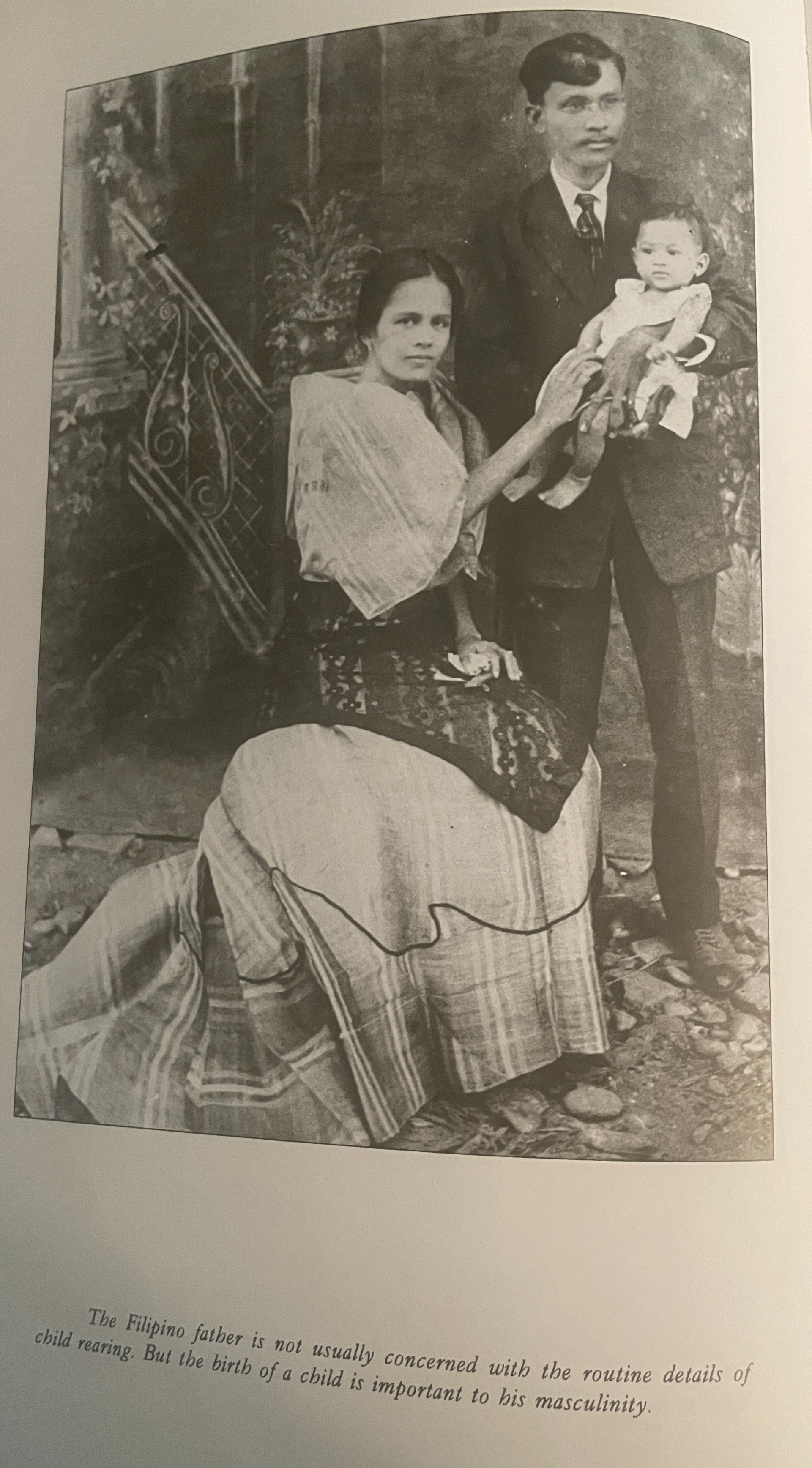
In the Philippines, along with many other religiously conservative nations, women are raised to become wives. Women are taught at a young age that their value is based on who they marry. Even after marriage, women are still under intense scrutiny: when will she have children? Does she make her husband happy? Although monogamy is expected in the Catholic faith, it is not always followed. If a man feels that his wife does not satisfy him, it has grown to be socially “acceptable” to seek a mistress. As wives, women must accept their husband’s decision. All the while, they shoulder the burden. Marriage culture and mistress culture are two branches of the same tree. “The other woman” is always part of the marriage, which influences spouses’ attitudes towards each other. Legal wives fear mistresses largely due to the effect that they will have on the family honor. In marriage, honor is everything. Yet, in the end, both the wives and mistresses are left dependent on the whims of men, their fates determined by the Church and judgmental Filipino society. This section explores these aforementioned themes as it attempts to parse out one of the most important institutions in the Philippines.
——-
Supplementary Source:
 Paglaban Pilipino Literature Project