Gendered Piety
“Spirit and Matter” by Emmanuel M. D’Exploits
- In the text, what are the values that D’Exploits praises in women? Cite examples of the language used.
- Despite the societal expectation of marriage, why does the author “accept” Rosa’s rejection of marriage? How is she martyrized? Is there a higher sense of moral “duty” for women aside from marriage and motherhood (two key Catholic values)?
- What are D’Exploits criticisms of society during his era and the role of Catholicism in it?
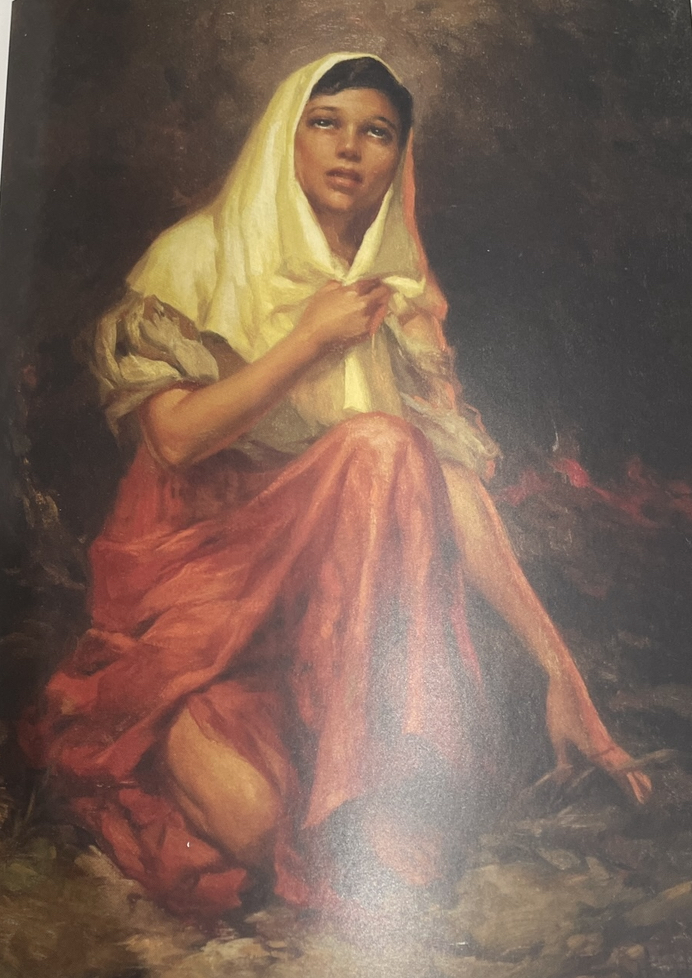
- How does D’Exploits create a type of Catholic, female exceptionalism in his descriptions of Rosa? Why do you think he introduces Rosa in this manner: “The orphan, Rosa, though not a beauty…” and finished the story: “After a while, her soul, too big and beautiful to continue being imprisoned…”?
“The Outside Heart” by Linda Ty-Casper
- How does Marita both embrace and defy the archetype of Maria Clara? *Examine the ending of the story closely.)
- How does Marita reckon with the intimate relationship between her family and faith?
- Would you describe Marita as a non-believer? Why or why not?
Comparison questions:
- How are Rosa and Marita similar? How does Ty-Casper’s description of her protagonist differ with that of D’Exploits?
- How is the rejection of material goods a recurring theme throughout the two stories?
Religious Reform
“From the Forbidden Tree” by Fatima Lim
- How is Eve portrayed as both the victim and a protagonist in her own right in the text?
- With what tone does Lim write an alternate version of the biblical Story of Creation? Do you think that she is more secular or religious? Why or why not?
- How is religious freedom explored within the confines of religious canon? (Note the line: “Perhaps she felt a shared companionship with the snack who had only sought a true and absolute wisdom.”
- How does Lim shed light on the issue of sexual assault in general and in Filipino-Catholic society?
| Thematic Question: 1) How is Catholicism deeply entrenched in Filipino womanhood? What values have stayed and which have remained? |
 Paglaban Pilipino Literature Project